In the world of project management, there is a massive gulf between a “task‑master” and a “value‑driver.”
A task‑master treats the project plan like a rigid legal document, obsesses over timelines and milestones, and still leaves the project team drained and stakeholders underwhelmed.
A high‑value, successful project manager, on the other hand, navigates complex projects with a steady hand, translates technical skills into business value, and consistently delivers project success that supports the organization’s strategic roadmap.
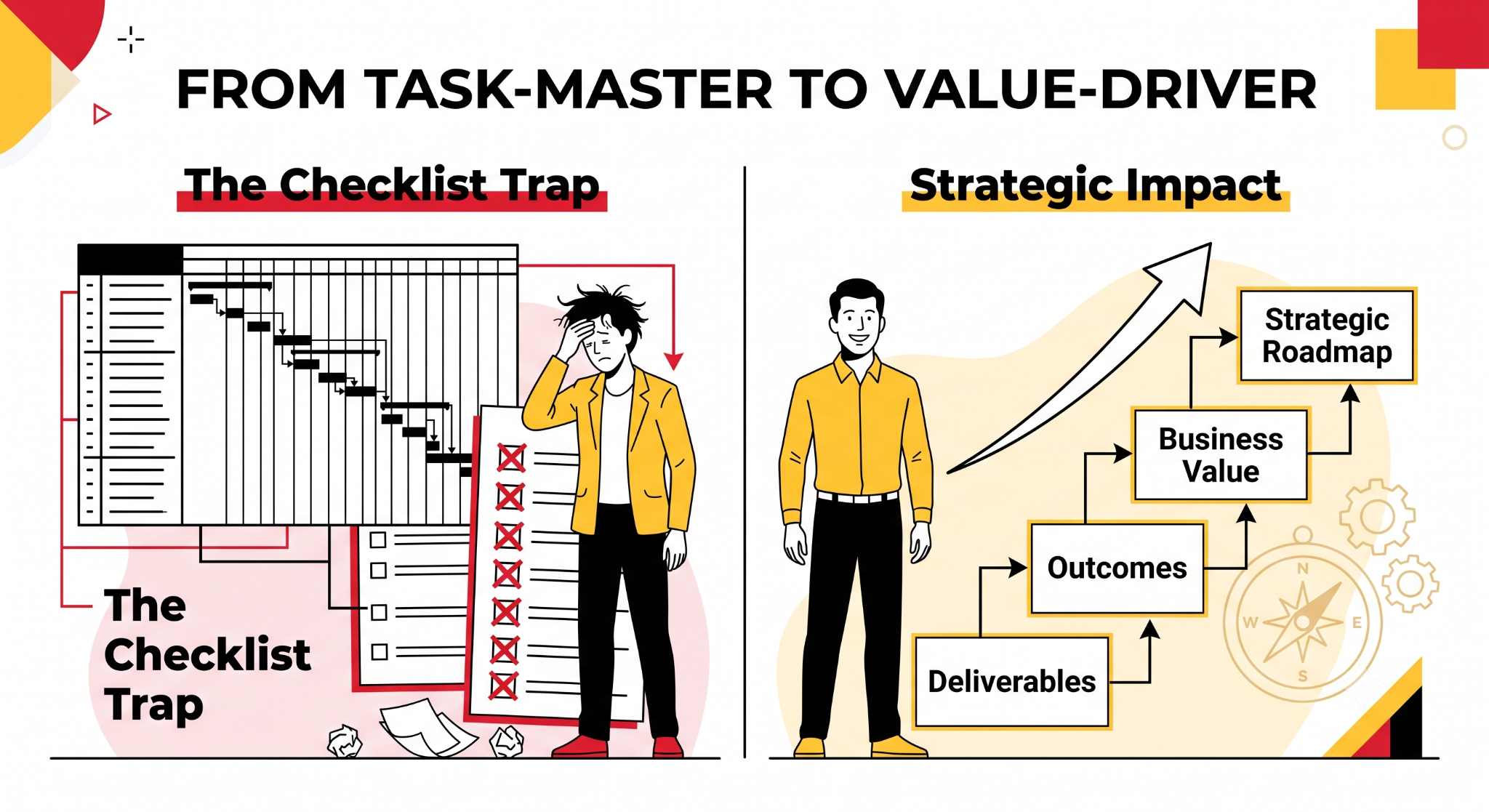
The difference between these two archetypes isn’t luck or personality. It is the deliberate accumulation of what we can call Career Capital—the rare and valuable project management skills, competencies, and experiences that make you indispensable in any project management role.
If you want to stop chasing a new career opportunity and start having recruiters, program managers, and executives seek you out, you need to understand which skills truly set you apart in today’s market.
The Concept of Career Capital in Project Management
Why Being “Good” Isn’t Enough Anymore
The barrier to entry for a project management career has never been lower.
Basic project planning, scheduling project timelines, and updating project schedules are now the price of admission, not a differentiator.
In a global, AI‑augmented workplace, routine project management tasks—status tracking, updating project management tools, and reporting on simple metrics are increasingly automated.
If your value is tied only to checking boxes, managing a Gantt chart, or moving cards on a board, you are replaceable.
To be indispensable, you must offer what software and templates cannot. This can be nuanced judgment, strategic thinking, or the ability to navigate stakeholder expectations and human complexity.
The Cal Newport Connection: Rare and Valuable Skills
Computer science professor and author Cal Newport popularized the idea of “Career Capital”—the traits you possess that are both rare and valuable.
In his framework, you don’t find your passion first. You build rare skills and hands‑on experience until you have the leverage to shape your project management career path.
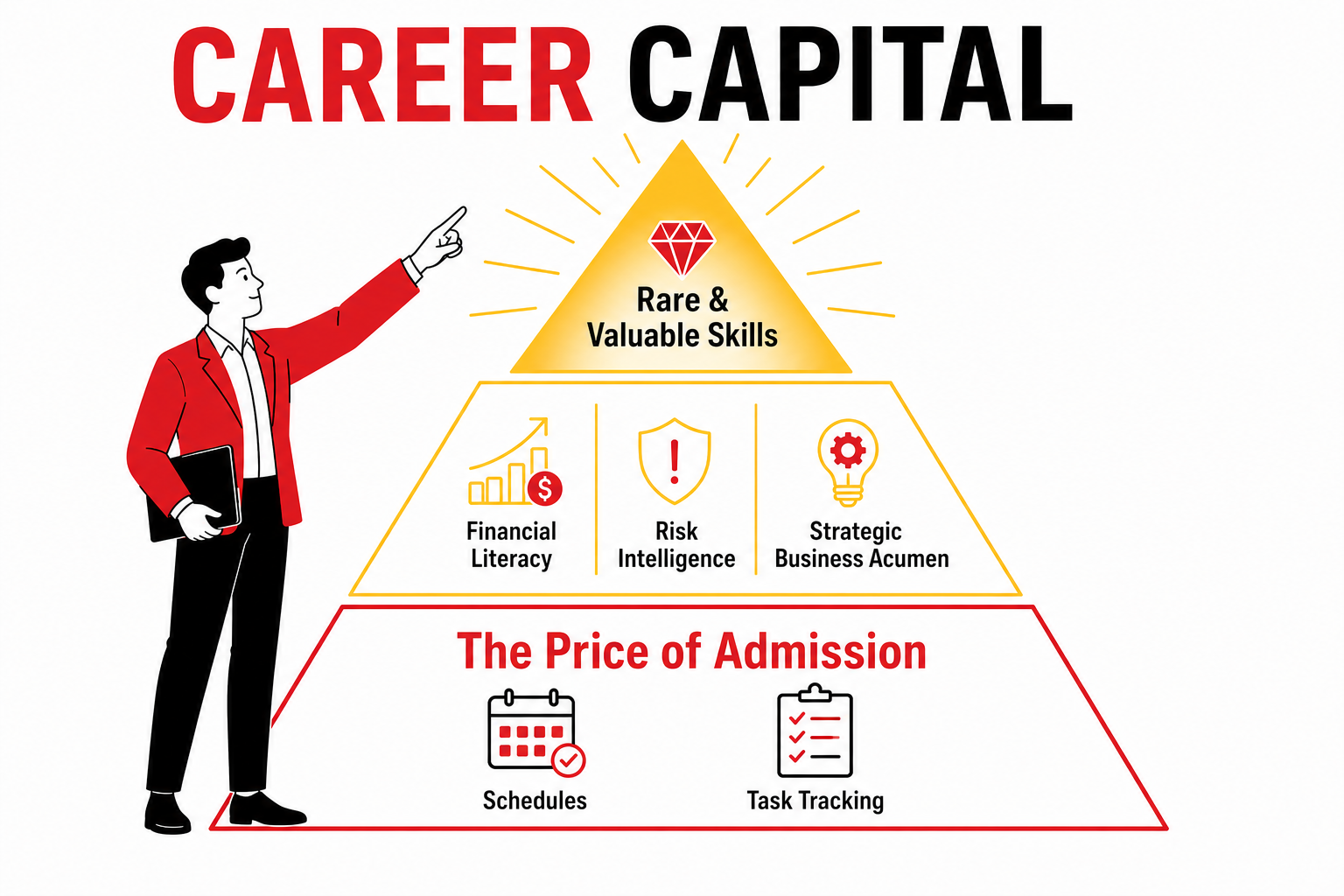
For a Project Management Professional (or aspiring PMP, CAPM, or PMI‑ACP), this means moving beyond generic project coordination.
A PM who can manage any basic project has some capital. A PM who understands the nuances of the software development lifecycle, can speak fluently with engineers, can explain project scope trade‑offs to stakeholders, and can justify a multimillion‑dollar variance to a CFO has a powerful “bank account” of career capital.
This article is your roadmap to building that account and positioning yourself for long‑term career growth.
The Foundation: Essential Hard Skills for Every PM
Mastering Methodologies Without Being a Zealot
Agile, Scrum, Kanban, Waterfall, Lean—the project management industry is obsessed with methodologies.
Certifications like PMP, CAPM, and Certified ScrumMaster (CSM) often emphasize frameworks, but high‑value project managers understand that methodologies are tools.
The trap many early‑career PMs fall into is methodology zealotry, where the process matters more than project success.
True mastery means being methodology‑agnostic:
- Understanding when Agile is the right fit
- When a more predictive approach is necessary
- How to blend methods for complex projects.
You should be able to look at a high‑uncertainty software or healthcare implementation and know that a rigid Waterfall approach will fail, but also recognize when “move fast and break things” Agile isn’t appropriate.
This is especially true in regulated or safety‑critical environments like healthcare or sustainability initiatives.
Budgeting, Forecasting, and Financial Literacy
Many PMs shy away from the financial side of project management, preferring to live in the world of tasks, timelines, and project schedules.
This is a major missed opportunity for building career capital. Money is the language of executives, program managers, and the Project Management Office (PMO).
To stand out in leadership roles, you need to understand concepts like CapEx vs. OpEx, burn rate, and return on investment. You should be able to forecast costs, model scenarios, and explain the financial impact of changes to project scope.
When you can say, “If we maintain our current velocity, we’ll exceed the budget by 12%, but we can offset this by phasing the rollout,” you shift from “project coordinator” to strategic business partner.
Risk Management: Seeing the Iceberg Before the Collision
Many project teams treat risk management as a checkbox exercise. They create a risk register at kickoff and then let it gather dust.
High‑value PMs treat risk management as a continuous, hands‑on discipline central to project success.
Think of yourself as an early‑warning radar. Your job is to scan the project lifecycle and identify the “icebergs” that could sink the initiative—resource constraints, vendor issues, regulatory changes, or technical debt.
This includes running premortems, actively managing dependencies, and escalating issues before they explode. If you can prevent a multimillion‑dollar mistake through proactive risk management, your value to stakeholders becomes undeniable.
The Digital Toolbox: Mastering Project Management Tools
Modern project management requires fluency in the digital toolbox: Jira, Asana, Trello, Monday.com, Microsoft Project, and the broader Microsoft ecosystem (Teams, SharePoint, Power BI).
Tools should support your methodology, not drive it, but you must be able to get the most from them.
This goes beyond updating tasks. High‑value PMs configure automations, build dashboards that make status visible at a glance, and ensure data quality across tools.
Turning messy inputs into clear, real‑time insights for stakeholders and leadership is a differentiator—and a very visible demonstration of your technical skills.
The Competitive Edge: Technical Proficiency for Non‑Tech PMs
Understanding the Lifecycle: SDLC and Beyond
You don’t need to write production‑ready code, but if you manage technology or complex projects, you must understand key lifecycles—especially the Software Development Life Cycle (SDLC) and similar patterns in other domains like healthcare, construction, or sustainability programs.
Know the difference between development, test, staging, and production environments.
Understand why “technical debt” can derail future timelines and why refactoring may delay features but improve long‑term quality.
This literacy helps you set realistic expectations with stakeholders and ask smart, targeted questions of your project team.
Data Fluency: Turning Metrics into Narratives
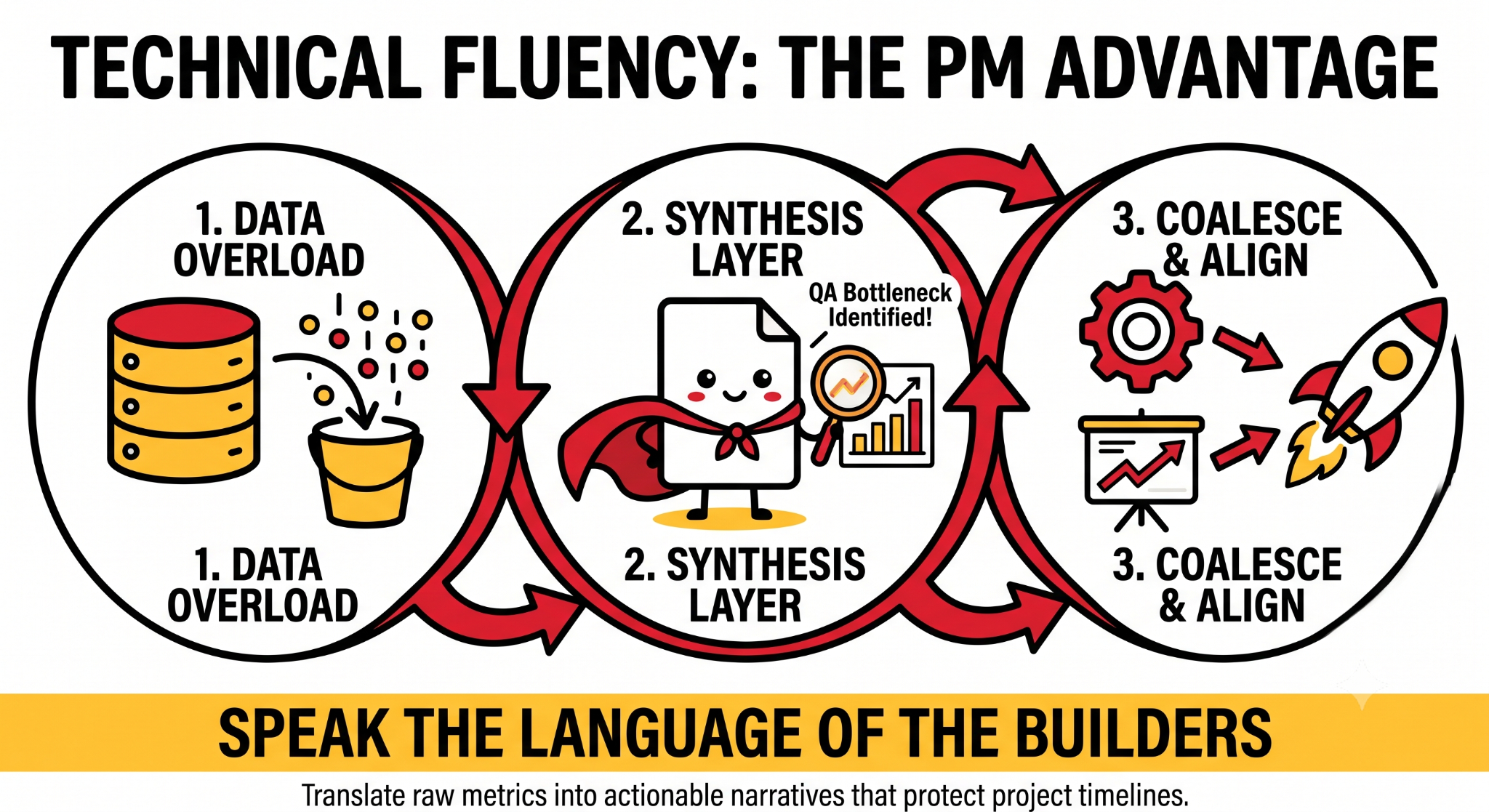
We live in an age of dashboards and data overload. A junior PM may send a spreadsheet and hope stakeholders find the insights. A high‑value PM practices data synthesis—using data to tell a concise, actionable story.
Even with basic tools like Excel or Power BI, you should be able to identify trends, bottlenecks, and anomalies.
Instead of saying, “We completed 20 tasks this week,” a high‑value PM might say, “Our cycle time increased by 15% over the last three sprints, which points to a QA bottleneck; here’s my plan to address it.”
That level of problem‑solving and decision‑making is what senior leaders remember.
Technical Literacy: Speaking the Language of Engineers
A unique kind of respect is earned when a PM can sit with engineers, data scientists, clinicians, or operators and actually follow the conversation.
You don’t need to be the deepest expert in the room, but you should understand the vocabulary of the people doing the work.
Learn what an API is, and why integration dependencies affect project timelines. Understand the difference between front‑end and back‑end, latency and throughput, or clinical vs. non‑clinical workflows in healthcare projects.
When you speak the language of your team members, you reduce friction, improve trust, and ensure fewer miscommunications between “the business” and “the builders.”
The “Force Multipliers”: Critical Soft Skills
High‑Stakes Communication and Articulate Synthesis
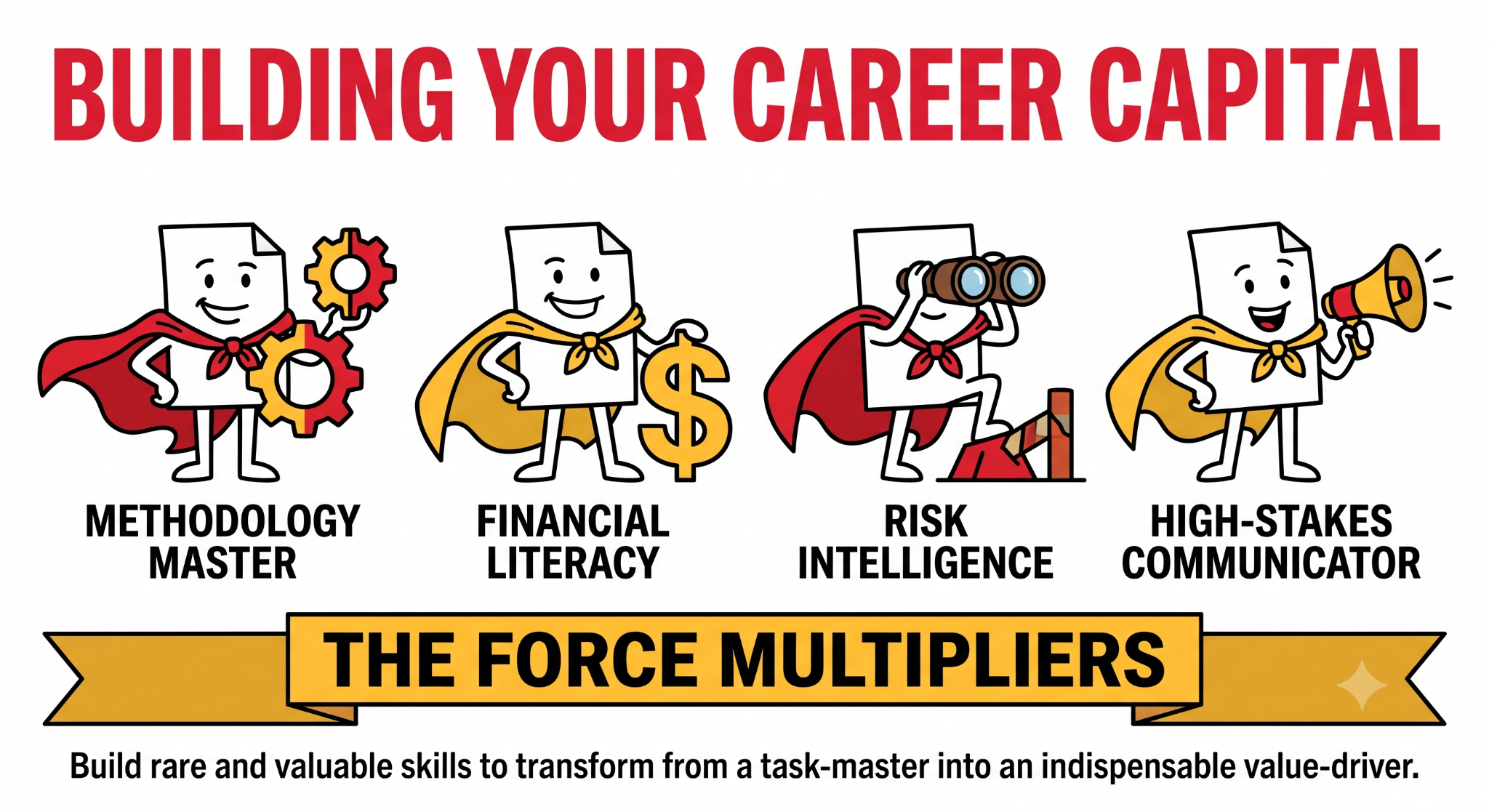
In project management, communication isn’t a side task—it is the work. High‑stakes communication shows up in executive steering meetings, tough stakeholder updates, and alignment conversations across distributed project teams.
High‑value PMs excel at articulate synthesis: taking an hour‑long debate between technical and business stakeholders and distilling it into three clear options with pros, cons, and recommended next steps. They know when to send an email, when to pick up the phone, and when to call a live meeting. Done well, this skill boosts every other competency you have.
Influence Without Authority
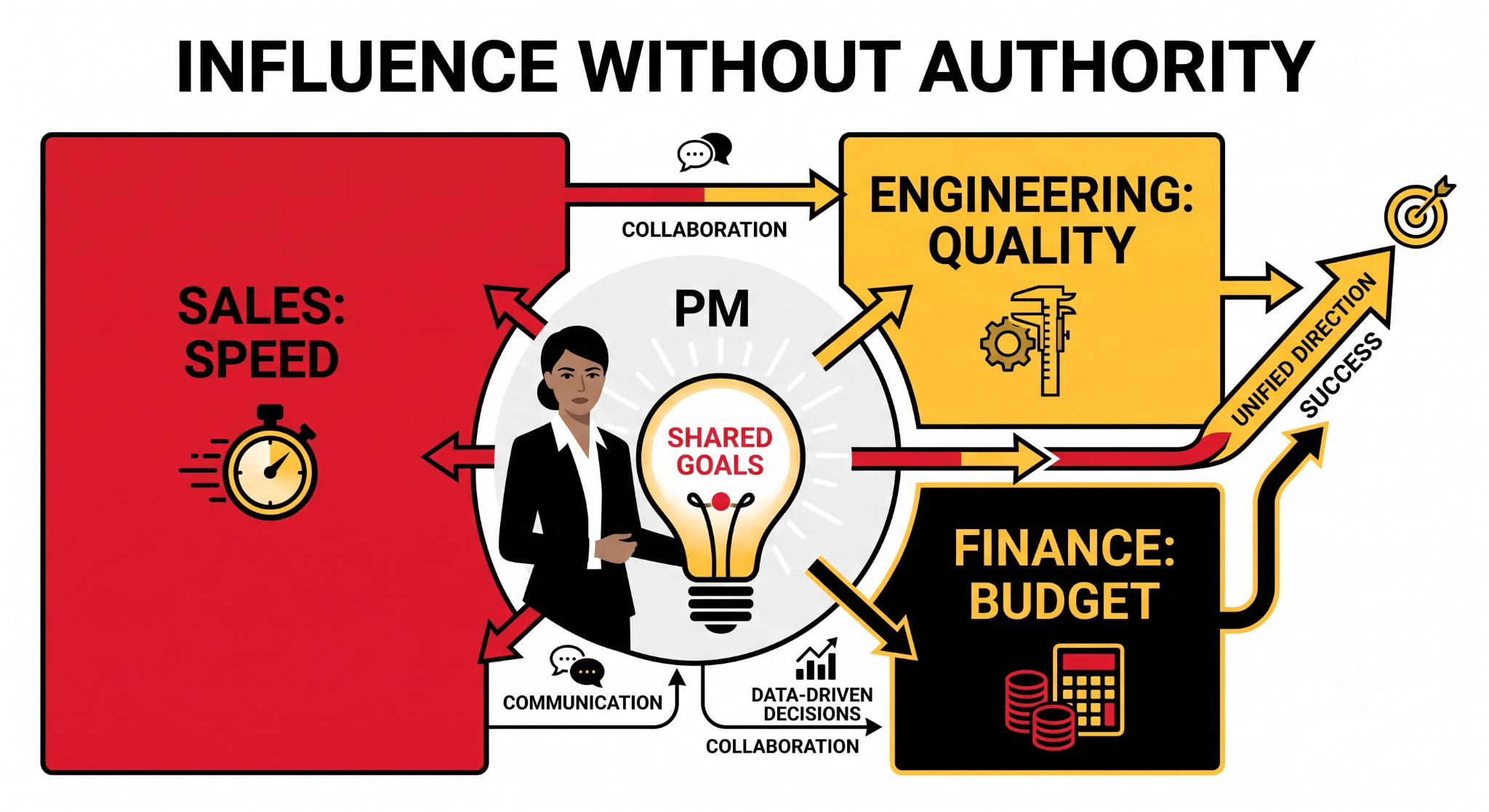
One of the defining paradoxes of the project management role is that you are accountable for outcomes but often have no formal authority over team members. You cannot fire people or promise promotions, but you must still drive progress.
This is where influence without authority becomes essential. You build “relational capital” by being reliable, protecting the team from uncontrolled scope creep, and showing that you respect their expertise. When people want to work with you because they trust your judgment and feel supported, you can move projects forward in ways a command‑and‑control leader never could.
Conflict Resolution: Navigating the Messy Middle
Projects are magnets for conflict: Sales wants it fast, Engineering wants it right, Finance wants it cheap, and Operations wants it sustainable and stable. You stand at the intersection of all these competing demands.
Effective conflict resolution is not about making everyone happy. It is about principled negotiation—pulling people back to shared goals, clarifying constraints, and finding solutions the organization can live with. Being the calm, structured voice in a room full of strong opinions is one of the rarest and most valuable soft skills you can develop.
Strategic Empathy and Emotional Intelligence
Empathy and emotional intelligence (EQ) are not “nice‑to‑have” soft skills; they are strategic tools. Strategic empathy means understanding the motivations, fears, and constraints of your stakeholders and project team members.
Instead of labeling a stakeholder as “difficult,” a high‑value PM asks, “What pressure are they under?” Maybe they’re accountable to a board, worried about regulatory risk, or under scrutiny after a failed project. Understanding those dynamics helps you tailor your communication, manage expectations, and navigate organizational politics with far greater effectiveness.
Strategic Business Acumen: Thinking Like an Owner
Aligning Projects with Business Goals
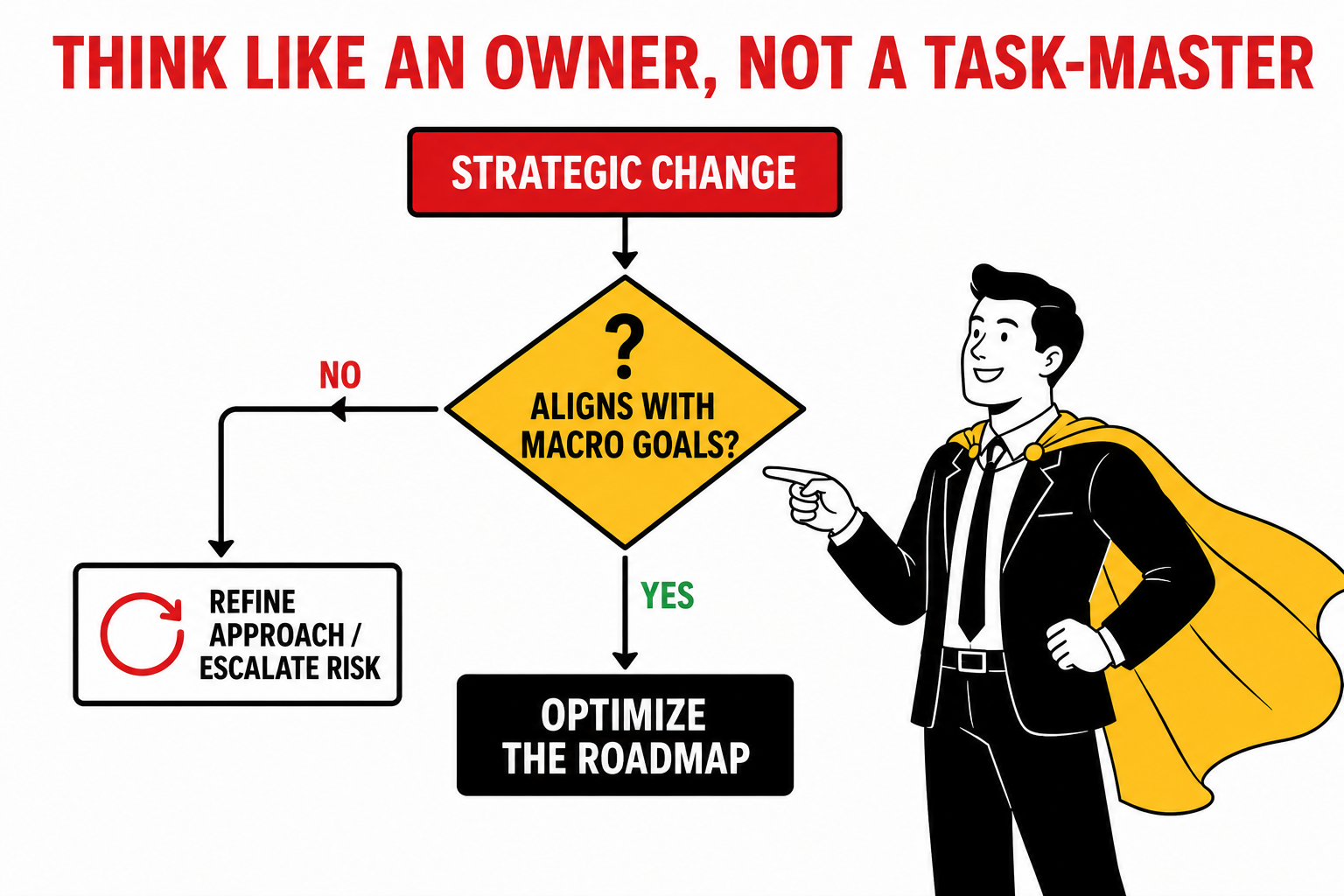
A project is never just a collection of tasks; it is a vehicle for advancing strategic business objectives. Many PMs get lost in the “how” and forget the “why.”
High‑value PMs constantly link project scope, milestones, and timelines back to macro business goals—revenue, profitability, market share, regulatory compliance, patient outcomes, or sustainability targets. When leadership adjusts strategy, they update the project roadmap accordingly and proactively recommend changes instead of waiting to be told what to do.
Market Awareness and Competitive Positioning
To truly add value, you must understand what’s happening outside your project team. What trends are shaping your industry? How are competitors approaching similar initiatives?
If you manage a healthcare project, you should understand changes in reimbursement models or patient privacy regulations. If you’re in tech, you should track how new technologies or AI tools may impact your solution. This external awareness makes your risk assessments sharper and your recommendations far more persuasive.
The Value of Domain Expertise
Generalist PMs are useful; domain expert PMs are indispensable. While core project management competencies are transferable, each industry—healthcare, construction, tech, sustainability, government—has its own nuances, regulations, and unspoken rules.
Deepening your specialization in a particular sector allows you to ask better questions, challenge unrealistic assumptions, and provide practical guidance others might miss. Over time, this domain expertise becomes a major source of career capital and opens the door to senior leadership roles, program manager positions, and strategic advisory work.
Building Your Portfolio of Proof
From Resume to Results
In the modern job market, a resume is a list of claims; a portfolio is evidence. High‑value PMs don’t just say they “managed complex projects”—they showcase the outcomes.
Document your work as case studies: What was the situation? What was your task? What actions did you take? What were the measurable results? Framing your experience this way (the STAR method) makes your impact clear to hiring managers, recruiters, and internal promotion committees.
Quantifying Intangible Success
Not every project has obvious revenue numbers attached to it. Sometimes the win is improved morale, reduced burnout, or streamlined communication. These still matter, and you can still quantify them.
- Did you reduce ineffective meetings by 30%?
- Increase sprint velocity by 20%?
- Improve stakeholder satisfaction scores or net promoter scores?
Learning to put numbers around “soft” outcomes makes your contribution visible to decision‑makers who focus on metrics.
Sharing Case Studies and Building Your Brand
Every major project should end with a concise post‑project report that captures outcomes and learnings. Beyond internal documentation, you can share sanitized versions of these wins through platforms like LinkedIn to build your professional brand.
Highlight your role in managing project scope, solving problems, aligning cross‑functional teams, or introducing new project management tools. Over time, this creates an asset bank you can point to when you pursue a new project management role or leadership opportunity.
Continuous Growth: Keeping Your Capital from Depreciating
Certifications vs. Real‑World Experience
Certifications from the Project Management Institute (PMI)—like PMP, CAPM, and specialized credentials—or agile certificates like CSM are powerful signals of baseline knowledge. But they are the starting line, not the finish line.
What sets you apart is how you apply that knowledge under pressure: handling a budget crisis, rescuing a troubled project, or managing stakeholders through an unexpected change in scope. The scar tissue from real projects—wins and failures—is where your deepest learning lives.
Networking as a Learning Engine
Networking is not just about finding your next job, but a continuous learning tool.
High‑value PMs connect with peers across industries to compare approaches, tools, and lessons learned.
Join communities of practice, participate in PMI chapters, and engage with other PMs on platforms like LinkedIn. Ask how they handle similar challenges. Each conversation expands your mental toolkit.
Developing a Personal Learning Loop
The pace of change in tools, methodologies, and industries means your current skill set has a shelf life. To keep your career capital growing instead of depreciating, you need a personal learning loop.
Set aside dedicated time for continuous learning: reading industry news, experimenting with new project management tools, taking a short course in data analytics or leadership, or seeking a mentor in a more senior leadership role. Every six months, ask yourself, “What skill do I have now that I didn’t have six months ago?” If the answer is “none,” it’s time to recommit to upskilling.
Conclusion: Your Path to Becoming Indispensable
Becoming a high-value project manager is not about mastering one software platform or memorizing a playbook. It is about steadily building a mix of rare, practical skills that other people depend on.
As you deepen your core capabilities, sharpen your technical and business understanding, and level up your soft skills, you stop functioning as a task-tracker and start operating as a strategic partner.
You become the person who does more than update timelines and deliverables. You directly help shape where the organization is headed.
It takes focus and effort, but the payoff in more meaningful work, greater autonomy, and better opportunities is hard to ignore.
Frequently Asked Questions
1. What skills make a high-value project manager?
A high‑value project manager combines technical skills, strategic thinking, and strong soft skills. They master core methodologies, manage risk proactively, communicate clearly with stakeholders, and align project scope and timelines with business goals. They also invest in continuous learning, mentorship, and hands‑on experience to keep their competencies relevant.
2. How can I build career capital as a project manager?
You build career capital by developing rare and valuable project management skills over time. Focus on complex projects, cross‑functional collaboration, and visible outcomes. Strengthen both hard skills (risk management, financial literacy, agile methodologies, project management tools) and soft skills (leadership, conflict resolution, decision‑making). Document your wins as case studies that highlight measurable impact.
3. Do I need a PMP or CAPM to grow my project management career?
You don’t need a PMP or CAPM to succeed, but certifications can accelerate your project management career. They validate your knowledge of standard methodologies and can help you get noticed by recruiters and hiring managers. However, certifications are most powerful when paired with real‑world experience, problem‑solving, and a strong portfolio of successful projects.
4. What are the most important soft skills for project managers?
The most important soft skills for project managers include communication, leadership, adaptability, and conflict resolution. You must be able to influence without authority, synthesize complex information for different stakeholders, and guide project teams through uncertainty. Emotional intelligence and strategic empathy help you understand stakeholder motivations and keep projects moving forward.
5. How can project managers stay relevant with new technologies?
Project managers stay relevant by adopting a continuous learning mindset and embracing new technologies. This includes learning modern project management tools, understanding lifecycles like SDLC, and building data fluency to interpret metrics. Regular upskilling, mentorship, and participation in professional communities (such as PMI chapters or LinkedIn groups) help you adapt your skill set as tools and industries evolve.