University of Maryland · Online · Free
A one-day symposium for product people who do not stop at “it worked.” They get curious about why it worked — and what others can learn from it.

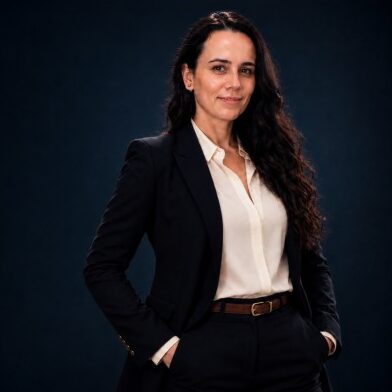
Morning Keynote speakers
Product success comes from following the evidence—even when it leads somewhere you never expected.

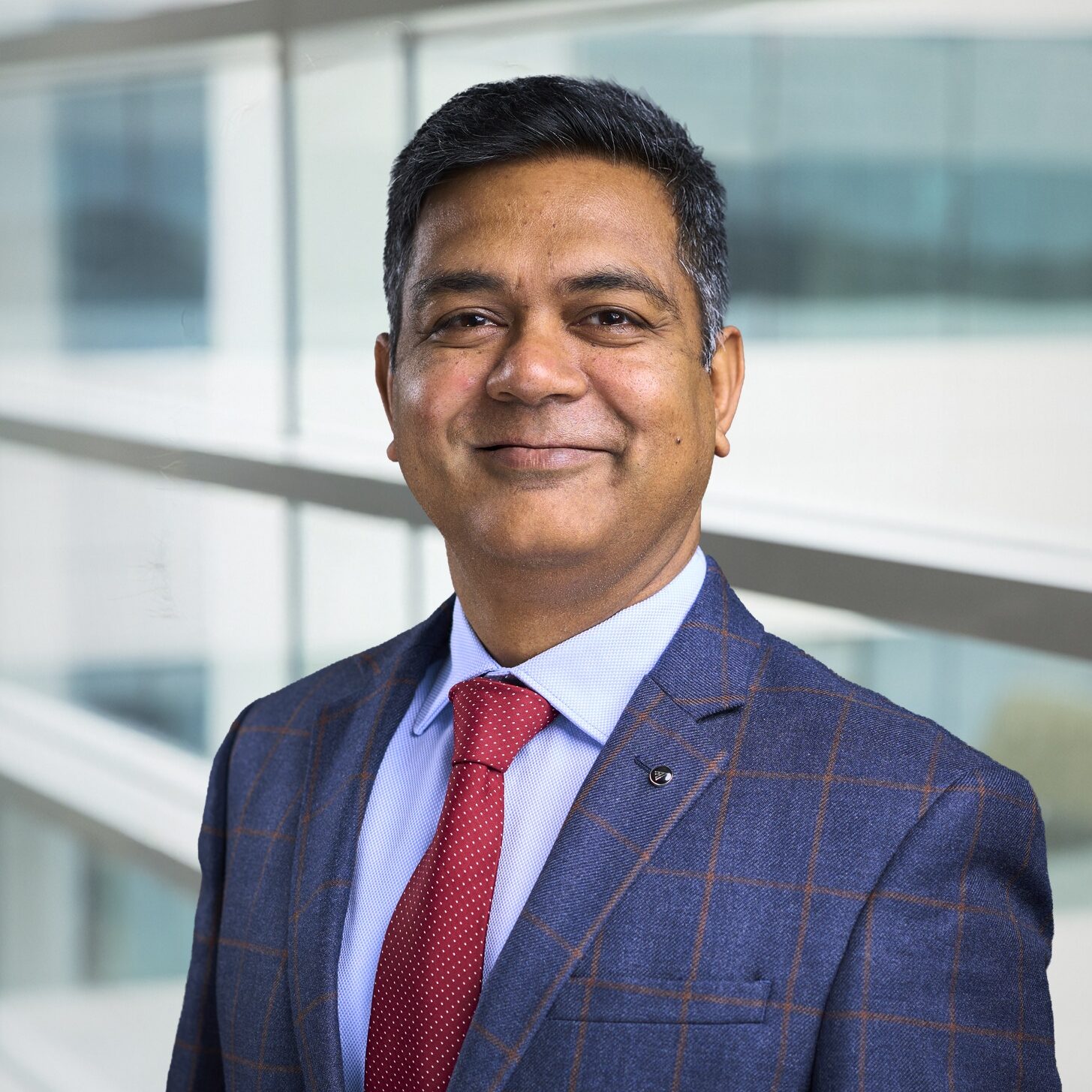
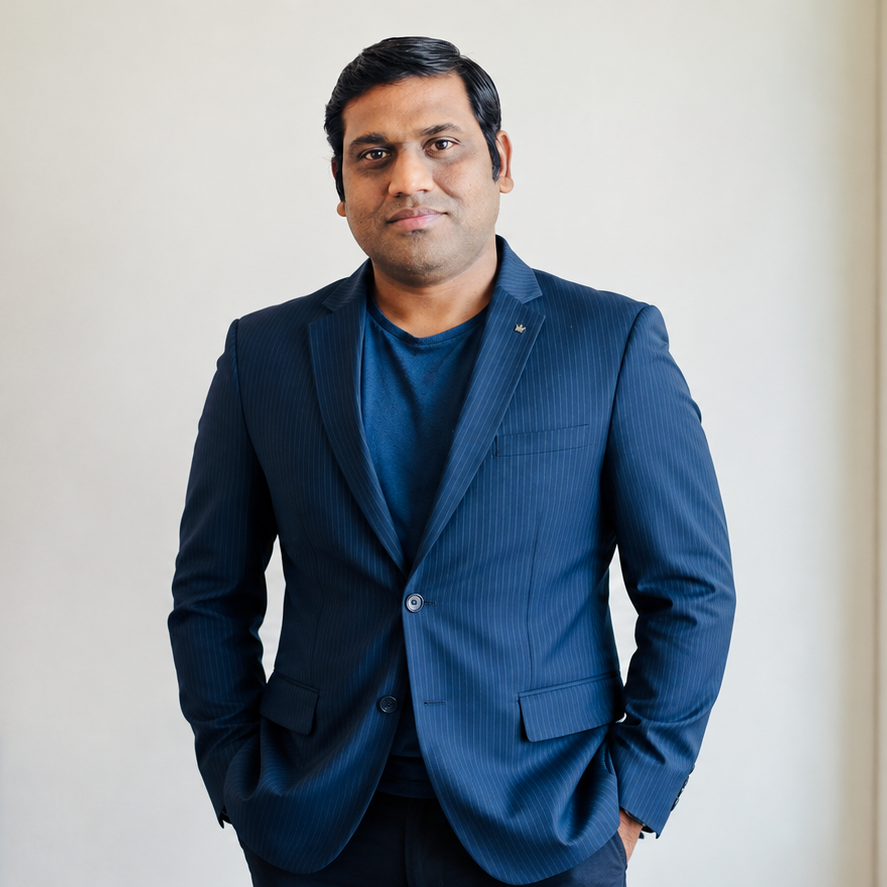
Keynote speaker
Clinical Professor of Entrepreneurship and Innovation
University of Maryland
AI-Powered Innovation: Building Better Products Through Evidence, Experimentation, and AI
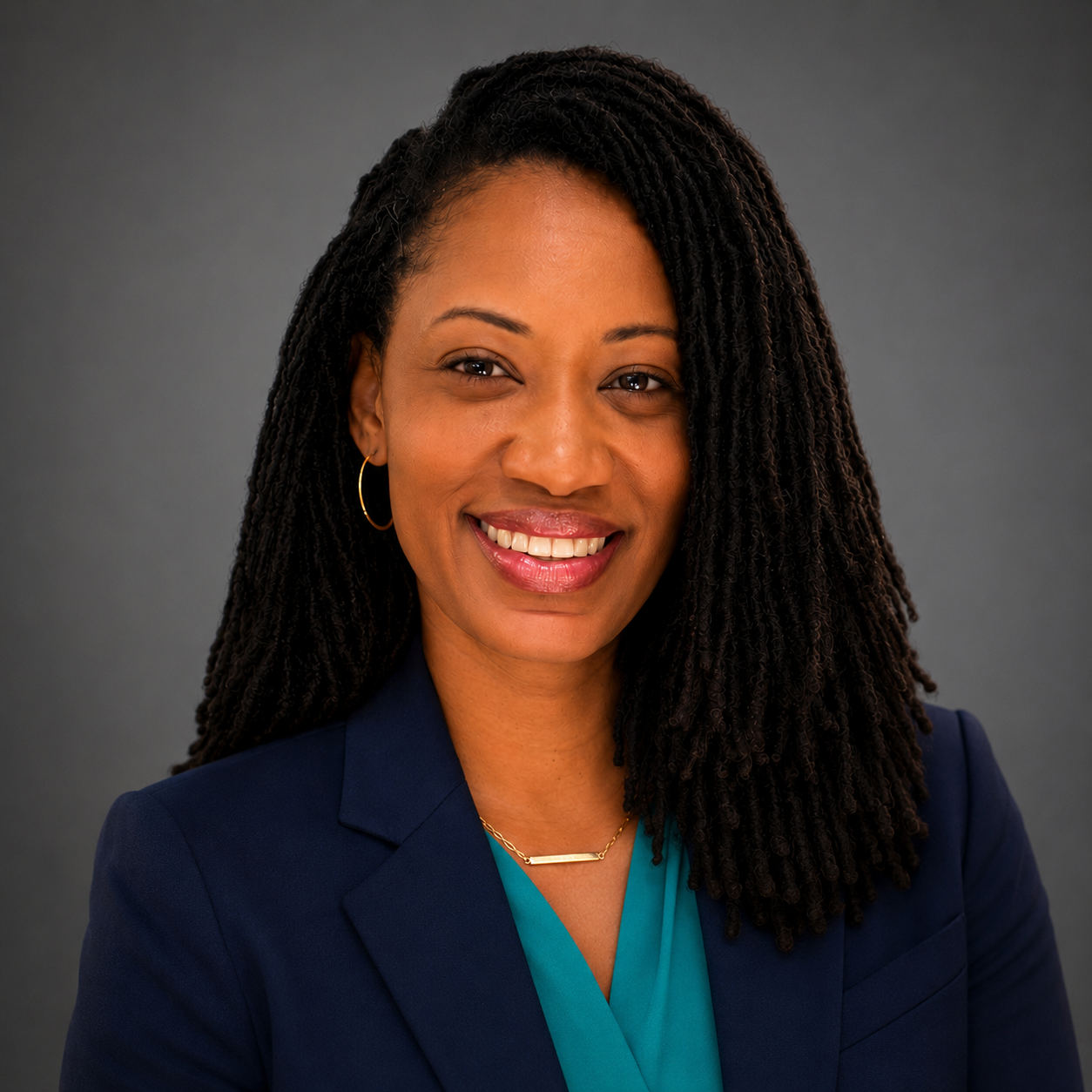
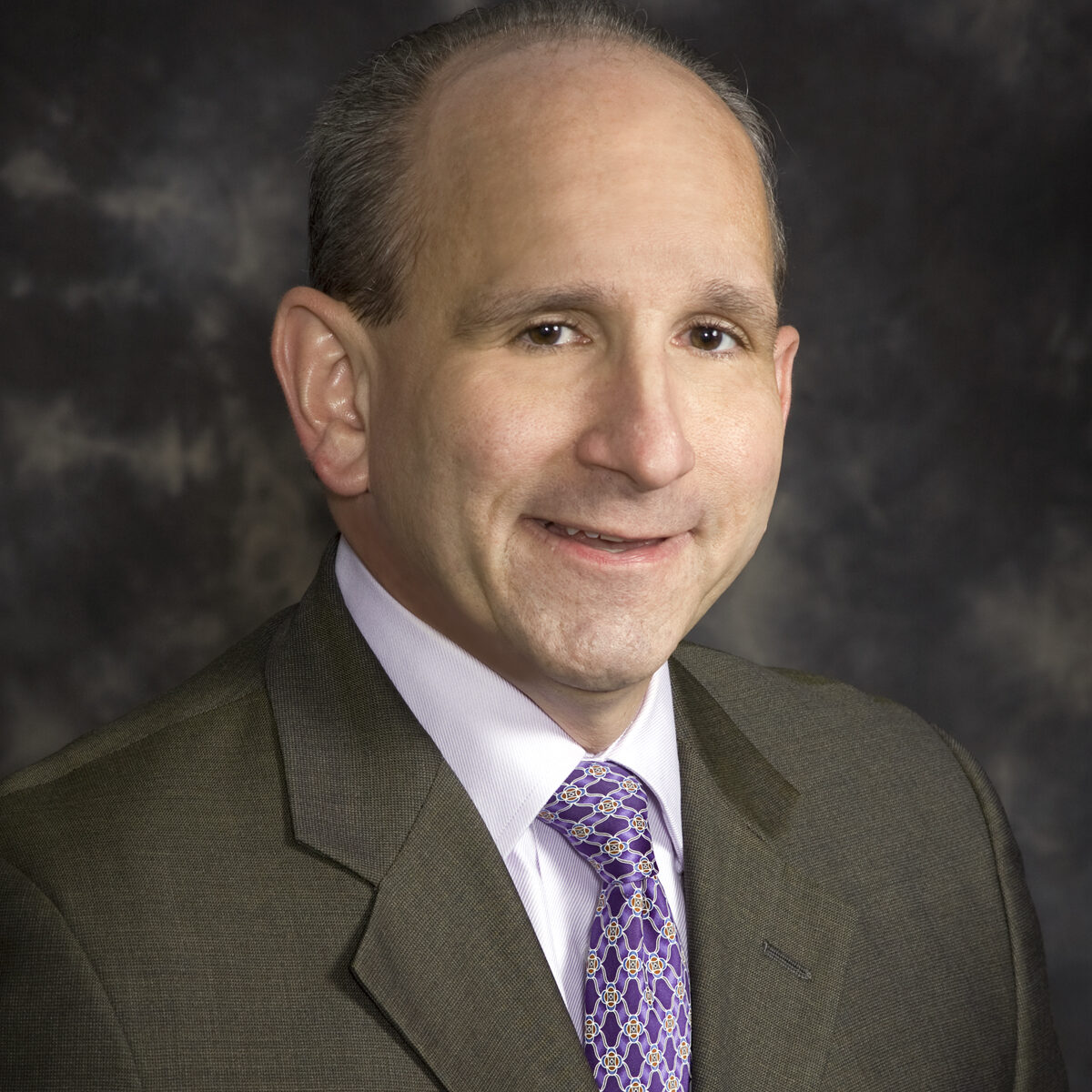
Keynote speaker
Founder and CEO
Kintech
From Purpose to Proof: How Customer Evidence Built the Product We Never Planned
Interactive Panel
An interactive panel covering real stories of practitioners building and deploying organizational AI.

Panel Host
Master Builder
WNCP AI
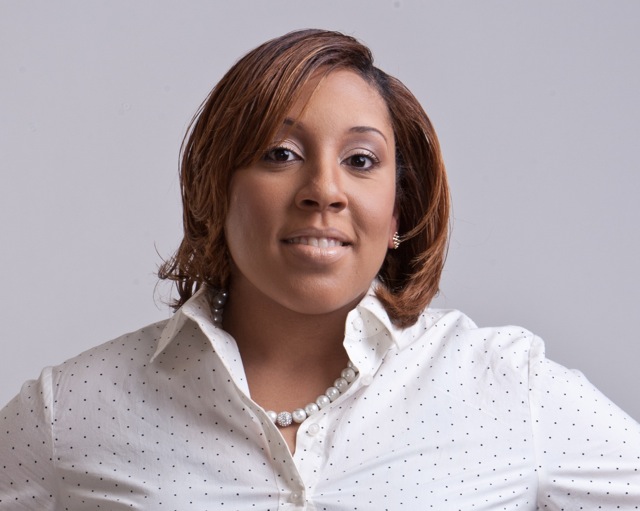
Panel Member
Senior AI Product Manager
Career Rehab LLC
Afternoon Keynote speakers
The afternoon is about automation, and the evidence of what works when building AI products using AI with purpose.

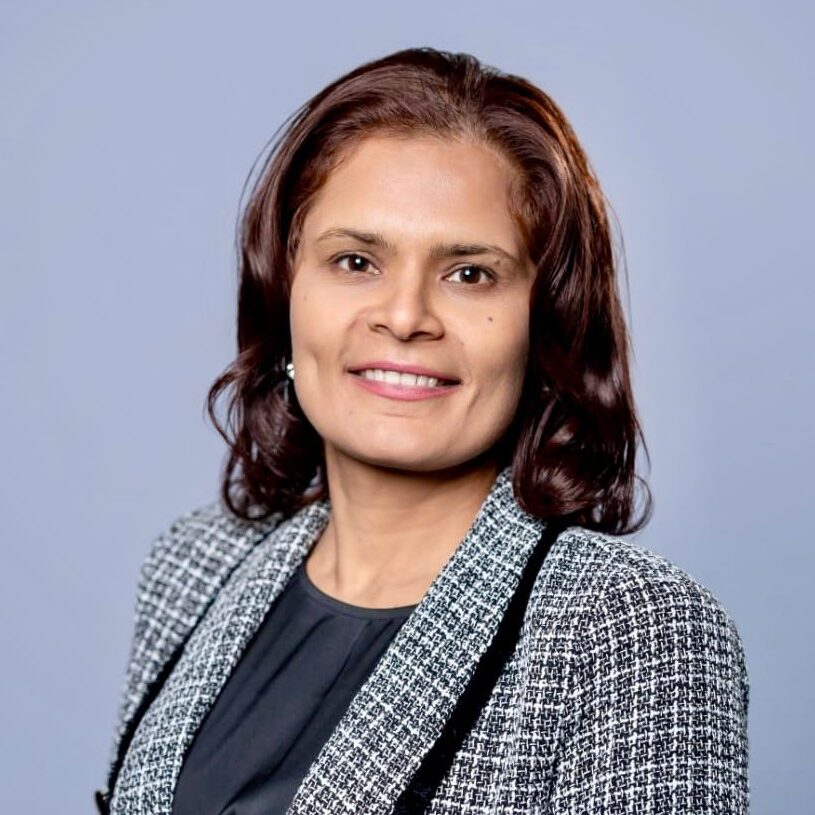
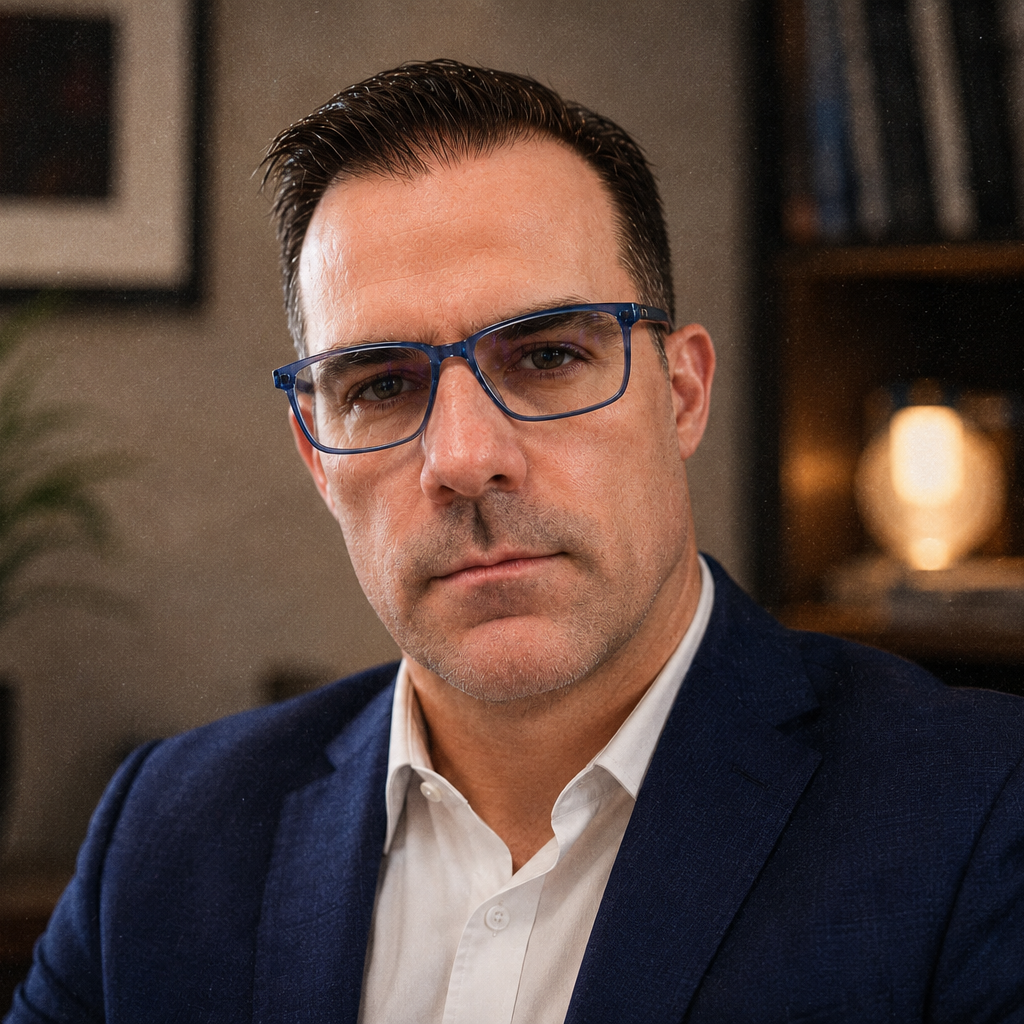
Keynote speaker
Principal Product Manager
Intuit
From five days to thirty minutes: what long-horizon LLM agents actually changed in small-business tax prep
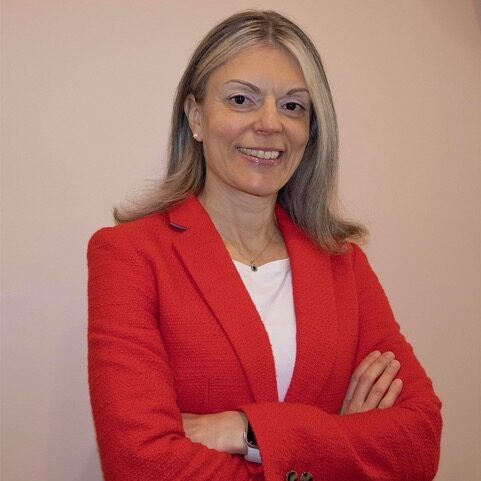
Keynote speaker
Product Manager
Cisco
The Arrival of Product Engineering:
What Mining Over 500,000 Conversations Taught Me About the Future of Product + Engineering
What evidence-based means here
Evidence-based does not mean every speaker needs a controlled study or a giant dataset. It means they have reflected on real product work, looked beyond “we shipped it,” and tried to understand why the result happened.
Our speakers are bringing their cases, experiments, customer conversations, failures, or hard-won lessons. They’ll share what they noticed, what changed their mind, and what someone else might carry forward.
Examples from outside this symposium
These are examples — not announced speakers and not the minimum bar.
Discovery · 33 min
Teresa Torres — When It Comes to Discovery, Something Is Better Than Nothing ↗
Experimentation · 35 min
Ronny Kohavi — A/B Testing Myths ↗
Evidence at scale · 30 min
Melanie Mueller — Scaling Experimentation Quality at Booking.com ↗
Different product settings. The same idea: share a useful lesson from real work, with enough context to help someone else think better.
Track 1
For people defining customer problems and building difficult solutions: discovery, AI-enabled products, technical platforms, complex systems, product design, and product strategy.
Discovery · Customer problems · AI products · Platforms · Product design

Track 2
For products shaped by safety, public accountability, policy, procurement, privacy, and compliance — including government, healthcare, finance, and infrastructure.
Government · Healthcare · Finance · Infrastructure · Responsible innovation

Track 3
For people turning useful products into adopted products: positioning, pricing, onboarding, retention, product-led growth, product marketing, and market evidence.
Positioning · Pricing · Onboarding · Retention · Adoption

| 9:00–10:00 | Opening keynote: AI-Powered Innovation: Building Better Products Through Evidence, Experimentation, and AI Dr. James Green 45-minute keynote + 15 minutes of moderated Q&A |
| 10:00–12:00 | Morning track sessions Live presentations across all three tracks |
| 12:00–1:00 | Midday keynote: From Purpose to Proof: How Customer Evidence Built the Product We Never Planned Shanell Guardo 45-minute keynote + 15 minutes of moderated Q&A |
| 1:00–2:00 | Panel: Organizational AI Harnesses: Building multiplayer AI experiences for teams of Agents & People An interactive panel covering real stories of practitioners building and deploying organizational AI. |
| 2:00–3:00 | Afternoon keynote: From five days to thirty minutes: what long-horizon LLM agents actually changed in small-business tax prep Live presentations across all three tracks |
| 3:00–4:00 | Afternoon track sessions Live presentations across all three tracks |
| 4:00–5:00 | Closing keynote: The Arrival of Product Engineering: What Mining Over 500,000 Conversations Taught Me About the Future of Product + Engineering Bri Doyle 45-minute keynote + 15 minutes of moderated Q&A |
Live session speakers
Real product decisions, experiments, failures, and evidence from the work itself.
10:00–11:00 a.m. · Live track sessions

Regulated Environments
From Autonomy to Accountability: A Product Framework for Agentic AI Governance
11:00 a.m.–12:00 p.m. · Live track sessions

Regulated Environments
The Human in the Loop Is a Feature, Not a Crutch: Evidence from High-Stakes Domains
Also available on demand
Additional cases, experiments, and lessons available beyond the live program.

Regulated Environments
Move Fast, Stay Compliant: Building Products in Regulated Industries
of listeners reached through global marketing channels
of subscribers across university and partner communities
registered audience members from the United States and around the world
people attended Maryland Product Symposium 2025
Call for speakers opened
Proposals close for session speakers
Full program published
On-demand preview opens
Live symposium