Latest Posts

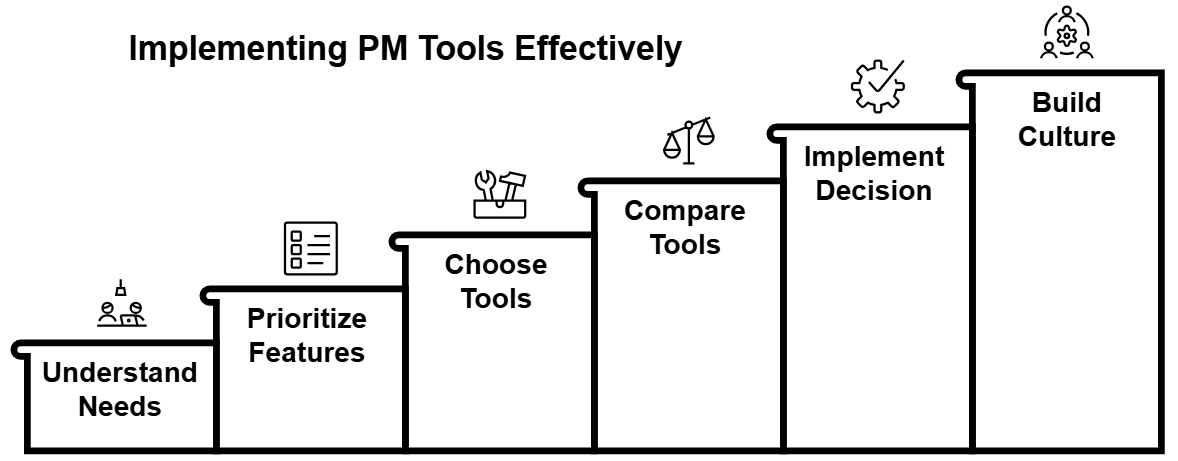
Picking the right project management (PM) tool can make or break your team’s productivity. The right tool turns chaos into clear plans, owned tasks, and smooth collaboration. This article will show you how to choose a PM tool that actually helps your team get more done, with less stress. Why Your PM Tool Matters A strong project management tool is the control center for your projects. It turns big ideas into clear tasks, assigns owners, tracks progress, and keeps all communication in one place so deadlines don’t slip and scope doesn’t explode. It gives everyone a single, reliable view of . . .

How state and local L&D professionals can create an environment for recruitment and retention. According to the latest surveys, what is the number one concern of employees? If you guessed skill development to help them grow their careers, then you’re correct. “Skill development is a top priority for 83 percent of employees, and 88 percent have already taken steps to enhance what they can deliver at work,” writes Forbes contributor Mark C. Perna. Millennials and Generation Z are especially concerned about their career development. If state and local governments want to attract and keep young people, then government agencies must promote development opportunities. Otherwise, . . .
Conversational Leadership is an emerging multidisciplinary practice. It is still in its infancy, barely ten years old. Not surprisingly, Conversational Leadership has two pillars, leadership and conversation. Let’s look at each in turn but keep in mind that although conversation and leadership are the bedrock of Conversational Leadership, it is far more than this. Leadership First, Conversational Leadership sees leadership as a practice and not as a position of authority, and we need to realize that leadership is a choice that we can all make. In a complex world, a single leader or manager does not have the ability to . . .
Have you ever had a conversation with someone you don’t respect?  Have you ever had a conversation with someone who doesn’t respect you? How are those conversations different from when you give and are given respect?  How willing are you to listen to the other person’s point of view?  How easy is it for you to share your point of view? How do you leave the conversation?  Happy? Frustrated?  Annoyed?  How willing are you to follow up on tasks that were discussed during the conversation?  How willing are you to have another conversation with that person? All of these questions . . .
As project managers, we’re taught “communicate, communicate, communicate.” Unfortunately, most communications are one-way pushes and miss the power of two-way conversations. Many conversations are serial monologues. Many of us tend to underestimate, or even fear, the power of conversations. Keep in mind the fact that each project worker has a different perspective and may or may not have the opportunity to reflect upon and share their perspective. There can be multiple “truths” at play with little time and opportunity to work through them. Communicating and deeply contacting each other through two-way conversations requires practice. Most of us rarely examine our . . .